Plant Viral Vectors: Precision Delivery of Gene Therapies

Aug 27, 2025 By

The concept of weaponizing biological agents has long been a subject of both scientific intrigue and ethical alarm. Among the most sophisticated and controversial developments in this realm is the engineering of plant viruses as vectors for the targeted delivery of gene-based therapeutics—or weapons. This emerging field, which blurs the lines between agricultural science, medicine, and national security, leverages the natural efficiency of viruses to infiltrate cells and alter genetic material. The implications are profound, presenting a paradoxical tool that could either herald a new era of precision medicine or become a component of next-generation bioweapons.

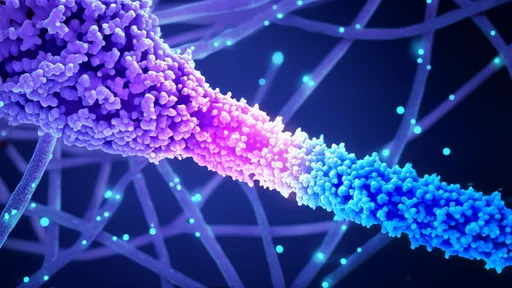
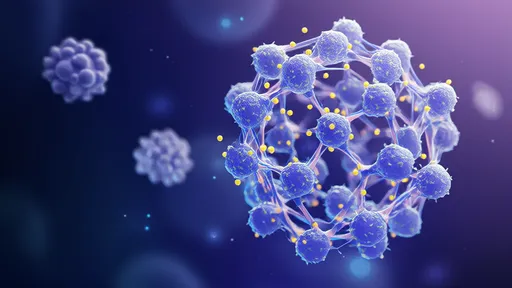
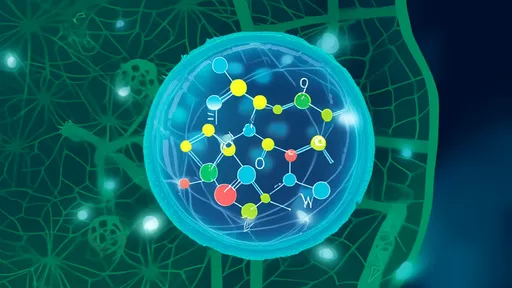
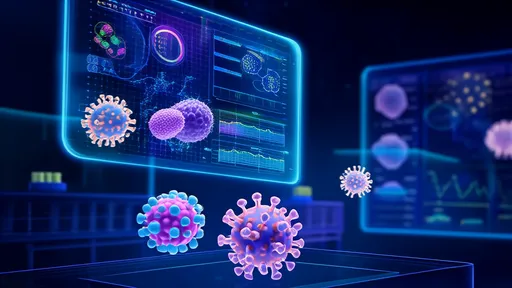
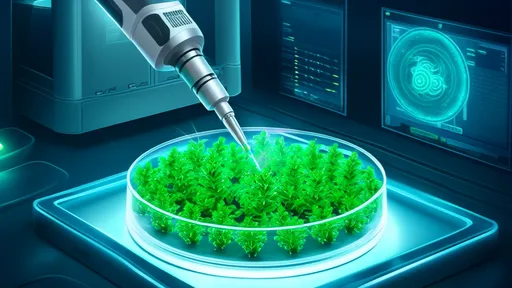
Plant viruses, once considered mere agricultural nuisances, are now at the forefront of bioengineering due to their unique properties. Unlike mammalian viruses, many plant viruses have a natural inability to infect human cells, which initially makes them attractive as safe vehicles for gene delivery in specific contexts. Their simple genetic structure allows for relatively straightforward modification, enabling scientists to equip them with custom genetic payloads. Researchers have honed techniques to re-engineer the capsid, the protein shell of the virus, to not only protect the genetic material inside but also to recognize and bind to specific types of cells, much like a key fitting into a lock. This targeting mechanism is the cornerstone of precision, ensuring that the viral vector delivers its cargo only to the intended cellular recipients.

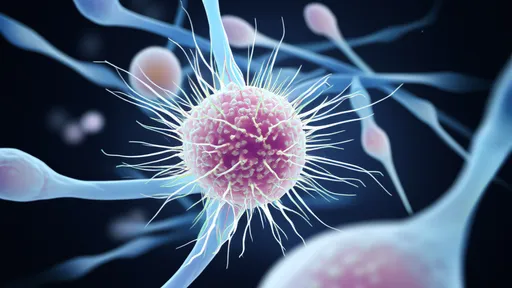
The core of this technology lies in its payload: gene-editing machinery such as CRISPR-Cas9 systems, RNA interference (RNAi) constructs, or therapeutic genes designed to correct mutations. The engineered viral vector acts as a microscopic Trojan horse, gaining entry into the target cell and releasing its genetic instructions. Once inside, the host cell's own machinery is co-opted to express the therapeutic gene or to perform the precise cut-and-paste operation of gene editing. This process can silence harmful genes, activate beneficial ones, or repair defective DNA, offering potential cures for a range of genetic disorders, cancers, and infectious diseases. The precision minimizes collateral damage to healthy cells, a significant advantage over conventional broad-spectrum pharmaceuticals.

Beyond human medicine, the agricultural applications are equally transformative. Engineered plant viruses can be deployed to enhance crop resilience, introducing genes that confer resistance to pests, diseases, or environmental stresses like drought and salinity. This approach could revolutionize food security, enabling plants to thrive in challenging conditions and reducing reliance on chemical pesticides. However, the same technology can be inverted for malicious purposes. A pathogen engineered to carry a gene that sterilizes a staple crop or introduces a toxin could be deployed as an economic or biological weapon, targeting a nation's agriculture without directly harming its human population, thus operating in a legal and ethical grey zone.

The dual-use nature of this technology is its most defining and troubling characteristic. The same scientific principles and tools used to develop a cure for a hereditary disease could be misappropriated to create a highly specific bioweapon. For instance, a virus could be engineered to deliver a payload that alters the human immune system, making a population more susceptible to a particular pathogen, or that triggers a slow-acting degenerative disease. The targeting capability means such a weapon could theoretically be designed to affect only individuals with a specific genetic marker, raising the specter of ethnically targeted biological agents. This precision, while a benefit in medicine, becomes a horrifying feature in the hands of malicious actors.

Current international frameworks and treaties, such as the Biological Weapons Convention (BWC), struggle to keep pace with these rapid advancements in synthetic biology. The convergence of virology, genomics, and nanotechnology creates a landscape where a significant bioweapon can be developed in a laboratory with resources far less substantial than those required for nuclear weapons. Monitoring and regulating the global exchange of genetic sequences and synthesis technologies presents an immense challenge for non-proliferation efforts. The line between legitimate research and weapons development is becoming increasingly faint, demanding a new paradigm of biosecurity that involves closer collaboration between scientists, ethicists, and policymakers.

Looking forward, the trajectory of plant virus vector technology is poised for accelerated growth. Advances in computational biology and artificial intelligence are streamlining the design of ever more specific and efficient viral vectors. The future may see the development of "smart" vectors capable of delivering multiple payloads or responding to internal biological cues within the target organism. However, this progress is inextricably linked to an escalating risk. The democratization of gene-editing tools means that the barrier to entry for creating potent biological agents is lowering. A robust global dialogue on ethical guidelines, coupled with innovative detection and defense technologies, is not just advisable but essential to mitigate the existential risks posed by these powerful tools.

In conclusion, the engineering of plant viruses as precision delivery systems for genetic material represents a pinnacle of human ingenuity with a dangerously sharp double edge. It promises unprecedented benefits for healing and feeding the world but also introduces a new class of threats that are stealthy, specific, and exceedingly difficult to defend against. The path humanity takes will depend not on the science itself, which is neutral, but on the wisdom, ethics, and international cooperation we apply to govern it. The age of genetic precision demands an equivalent precision in our moral and strategic thinking to ensure that these powerful technologies serve as shields rather than swords.
Recommend Posts
Biology

Gene Therapy: AAV Vectors Double the Efficiency of Penetrating the Blood-Brain Barrier

By /Aug 27, 2025

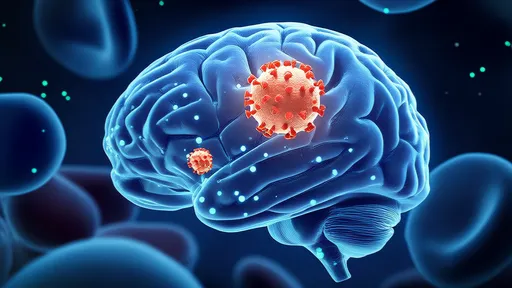
In a landmark development that could reshape the treatment landscape for neurological disorders, researchers have achieved a dramatic breakthrough in gene therapy delivery. Scientists have successfully engineered adeno-associated virus (AAV) vectors with a vastly improved ability to cross the blood-brain barrier, effectively doubling their delivery efficiency to the central nervous system. This long-standing hurdle has been one of the most significant challenges in developing effective treatments for conditions like Alzheimer's, Parkinson's, and various genetic brain diseases.
Biology

Ecological Adaptation: Genomic Evidence of Behavioral Evolution in Urban Animals

By /Aug 27, 2025

In the sprawling concrete jungles that define our modern cities, a silent but profound evolutionary drama is unfolding. As human urbanization accelerates globally, countless animal species are confronting novel environments characterized by noise, artificial light, pollution, and fragmented habitats. While behavioral shifts in urban wildlife—from altered foraging strategies to changed reproductive timing—have been well-documented by ecologists, the underlying genetic mechanisms driving these adaptations have long remained enigmatic. Recent advances in genomic technologies, however, are beginning to peel back the layers of this complex process, offering unprecedented insights into how city life is literally rewriting the DNA of urban fauna.
Biology

Neuronal Regeneration: Transdifferentiation of Astrocytes into Neurons

By /Aug 27, 2025

The human brain has long been regarded as a largely static organ, its intricate circuitry fixed and unchangeable after development. For decades, the central dogma of neuroscience held that we are born with all the neurons we will ever have, and that damage to the brain—whether from injury, stroke, or neurodegenerative disease—was permanent. This pessimistic view, however, is being radically overturned by a revolutionary field of research focused on cellular reprogramming, particularly the direct conversion of one cell type into another within the living brain. At the forefront of this scientific renaissance is the astonishing potential of astrocytes, the most abundant cells in the central nervous system, to be transformed directly into functional neurons, offering a beacon of hope for treating conditions once thought untreatable.
Biology

Significant Breakthrough in the Artificial Synthesis Process of Spider Silk Protein

By /Aug 27, 2025

In a landmark achievement that could redefine material science and biomedical engineering, researchers have successfully developed a scalable method for synthesizing spider silk proteins artificially. This breakthrough, achieved after decades of global research efforts, promises to unlock the vast potential of one of nature's most remarkable materials for commercial and medical applications.
Biology

Microbial Mining: Commercial Application of Acidophilic Bacteria for Metal Extraction

By /Aug 27, 2025

The mining industry stands at the precipice of a quiet revolution, one driven not by heavy machinery or explosive charges, but by microscopic organisms. For decades, the concept of using bacteria to extract valuable metals from ores was confined to academic journals and pilot studies, viewed as a fascinating but commercially unviable niche. Today, that perception is rapidly changing. The commercialization of biomining, specifically using acid-loving bacteria known as acidophiles, is transitioning from a promising alternative to a mainstream, economically sound practice that is reshaping the economics and environmental footprint of metal recovery.
Biology

Aging Intervention New Target: Mitochondria-Derived Peptides Delay Aging Effects

By /Aug 27, 2025

In the ever-evolving landscape of aging research, a novel class of biological molecules has emerged from the shadows of cellular biology, capturing the attention of scientists and longevity enthusiasts alike. Mitochondrial-derived peptides (MDPs), once considered mere byproducts of mitochondrial protein synthesis, are now at the forefront of discussions on aging intervention. These small peptides, encoded within the mitochondrial DNA, have demonstrated a remarkable capacity to influence cellular processes linked to aging, offering a fresh perspective on how we might delay the inevitable decline associated with growing older.
Biology

Update on Jasmonic Acid Signaling Pathway Regulation in Plant Defense Strategies

By /Aug 27, 2025

Recent breakthroughs in plant biology have shed new light on the intricate regulatory mechanisms governing the jasmonic acid signaling pathway, a cornerstone of plant defense strategies against biotic stressors. For decades, researchers have recognized jasmonates as central phytohormones coordinating responses to herbivore attacks and pathogen invasions, but the full complexity of their modulation has remained elusive. The latest findings from multiple research institutions reveal previously unknown regulatory layers involving protein complexes, epigenetic modifications, and cross-talk with other signaling pathways that fundamentally reshape our understanding of how plants deploy their defense arsenal.
Biology

Viral Evolution Forecasting: Machine Learning Models Predict Virus Cross-Species Transmission

By /Aug 27, 2025

In the ever-evolving landscape of infectious diseases, the ability to predict viral spillover events has long been a holy grail for epidemiologists and public health officials. Traditional methods, reliant on surveillance and reactive measures, are often one step behind the rapidly mutating pathogens that jump from animal reservoirs to human populations. Now, a paradigm shift is underway, driven by the power of machine learning. Researchers are increasingly turning to sophisticated computational models to forecast which viruses are most likely to make the cross-species leap, potentially offering a crucial early warning system for the next pandemic.
Biology

Biological Acoustic Monitoring: Passive Acoustic Recorders Track Forest Creatures

By /Aug 27, 2025

In the heart of dense, untouched forests, a quiet revolution is unfolding in the field of wildlife monitoring. Gone are the days when researchers had to rely solely on visual surveys or invasive tagging methods to track elusive species. Today, bioacoustic monitoring is emerging as a powerful, non-intrusive tool that allows scientists to eavesdrop on the secret lives of forest inhabitants. By deploying passive acoustic recorders across vast and often inaccessible terrains, ecologists can now gather continuous, high-fidelity audio data, painting a vivid picture of biodiversity and ecosystem health without ever setting foot in the animals' domains.
Biology

Cell Reprogramming: Direct Conversion of Fibroblasts into Neurons

By /Aug 27, 2025

In a groundbreaking shift for regenerative medicine, scientists have successfully demonstrated the direct conversion of fibroblasts into functional neurons, bypassing the need for pluripotent stem cells. This revolutionary approach, known as direct reprogramming or transdifferentiation, challenges long-standing biological paradigms and opens unprecedented avenues for treating neurological disorders. The implications are profound, offering hope for conditions like Parkinson's disease, Alzheimer's, and spinal cord injuries where neuronal loss is irreversible. Unlike traditional stem cell therapies that carry risks of tumor formation and ethical controversies, this method transforms one mature cell type directly into another, representing a cleaner and potentially safer therapeutic strategy.
Biology

Symbiotic Alliance of Insects: Coevolution of Aphids and Endosymbiotic Bacteria

By /Aug 27, 2025

In the intricate tapestry of life, few relationships are as fascinating and mutually beneficial as that between aphids and their internal symbiotic bacteria. This alliance, forged over millions of years of coevolution, represents a masterclass in biological interdependence, where two distinct organisms have become so intertwined that one cannot survive without the other. The story of aphids and their endosymbionts is not just a tale of survival; it is a narrative of innovation, adaptation, and a shared evolutionary journey that has allowed these tiny insects to thrive in a competitive world.
Biology

DNA Data Storage: Encoding Scheme for Preserving Data for Millennia at Room Temperature

By /Aug 27, 2025

In an era where digital data generation is exploding exponentially, the limitations of conventional storage media have become increasingly apparent. Magnetic tapes, hard drives, and even cloud servers face challenges in longevity, energy consumption, and physical space. Against this backdrop, a revolutionary approach has emerged from an unexpected source: biology. Scientists are now turning to DNA, the molecule that has preserved genetic information for millennia, as the next frontier in data storage.
Biology

Breakthrough Progress in AI-Generated De Novo Protein Design

By /Aug 27, 2025

In a landmark achievement that blurs the line between computational prediction and biological creation, artificial intelligence has now demonstrated the capability to design entirely novel functional proteins from scratch. This breakthrough, emerging from collaborative efforts between leading AI research labs and molecular biology institutes, represents a paradigm shift in protein engineering—a field historically constrained by natural evolutionary templates and laborious trial-and-error experimentation.
Biology

Breakthrough in Biosensing: Transgenic Bacteria for Detecting Environmental Toxins

By /Aug 27, 2025

In a remarkable leap forward for environmental monitoring, scientists have unveiled a groundbreaking biosensing technology utilizing genetically modified bacteria to detect toxic substances with unprecedented precision. This innovation emerges at a critical juncture, as industrial pollution and chemical spills continue to pose severe threats to ecosystems and public health worldwide. The core of this advancement lies in the ingenious reprogramming of bacterial cells, transforming them into highly sensitive and specific living sensors capable of identifying a vast array of environmental contaminants, from heavy metals like mercury and lead to complex organic compounds such as pesticides and industrial solvents.
Biology

New Insights into the Brain-Gut Axis: Mechanism of Vagus Nerve Transmission of Microbiota Signals

By /Aug 27, 2025

In a groundbreaking development that reshapes our understanding of the intricate dialogue between gut and brain, scientists have unveiled a sophisticated signaling mechanism through which gut microbiota communicate with the central nervous system via the vagus nerve. This discovery not only deepens our comprehension of the gut-brain axis but also opens new therapeutic avenues for a range of neurological and psychiatric conditions.
Biology

Ecological Restoration Project: Microbial-Plant Combined Remediation of Petroleum Pollution

By /Aug 27, 2025

In the shadow of industrial progress, petroleum contamination remains one of the most stubborn environmental challenges of our time. From aging pipelines to accidental spills, hydrocarbons seep into the soil, creating toxic legacies that threaten ecosystems and human health. Traditional remediation methods—such as excavation, thermal desorption, or chemical washing—often come with high economic costs, significant energy consumption, and the risk of further disturbing fragile environments. But what if nature itself held the key to cleaning up these messes? A promising answer is emerging from the ground up: microbial-plant synergy, a sophisticated, self-sustaining partnership that is revolutionizing the field of ecological restoration.
Biology

Structural Analysis of Antifreeze Proteins from Antarctic Ice Algae

By /Aug 27, 2025

In the unforgiving expanse of Antarctica, where temperatures plummet to levels that would instantly flash-freeze most life, a remarkable biological defiance occurs. Microscopic algae not only survive but thrive within the sea ice, painting vast, slushy layers with hues of green and brown. For decades, scientists have been captivated by this paradox of life flourishing in a near-permanent deep freeze. The key to their survival lies not in mere resilience, but in a sophisticated molecular arsenal, chief among them being a special class of proteins known as antifreeze proteins (AFPs).
Biology

Synchronization of Biological Clocks: New Mechanism of Melatonin Receptor Regulation of Circadian Rhythms

By /Aug 27, 2025

In the quiet hours before dawn, while most of the world sleeps, a silent symphony of biological processes orchestrates the daily rhythm of life. At the heart of this intricate performance lies the pineal gland, secreting the hormone melatonin in response to darkness, signaling to our bodies that it is time to rest. For decades, scientists have understood melatonin as the key chemical messenger of our circadian clock, but the precise mechanisms through which it synchronizes our internal rhythms with the external environment have remained shrouded in mystery. Recent groundbreaking research has now illuminated a sophisticated new dimension of this process, revealing how melatonin receptors themselves are dynamically regulated to fine-tune our body’s master clock.
Biology

DNA Nanomachines: Programmable Nucleic Acid Machines for Intracellular Tasks

By /Aug 27, 2025

In the rapidly evolving landscape of nanotechnology, a groundbreaking frontier has emerged with the development of DNA nanomachines—programmable nucleic acid devices engineered to perform precise tasks within living cells. These molecular constructs, built from the very fabric of genetic material, represent a fusion of biological insight and engineering ingenuity, offering unprecedented control over cellular processes. Unlike conventional nanomaterials, DNA nanomachines leverage the predictable base-pairing properties of DNA to create dynamic structures capable of movement, sensing, and execution of functions at the nanoscale. This innovation is poised to revolutionize fields from targeted drug delivery to synthetic biology, blurring the lines between biological systems and human-made machinery.
Biology

Plant Viral Vectors: Precision Delivery of Gene Therapies

By /Aug 27, 2025

The concept of weaponizing biological agents has long been a subject of both scientific intrigue and ethical alarm. Among the most sophisticated and controversial developments in this realm is the engineering of plant viruses as vectors for the targeted delivery of gene-based therapeutics—or weapons. This emerging field, which blurs the lines between agricultural science, medicine, and national security, leverages the natural efficiency of viruses to infiltrate cells and alter genetic material. The implications are profound, presenting a paradoxical tool that could either herald a new era of precision medicine or become a component of next-generation bioweapons.