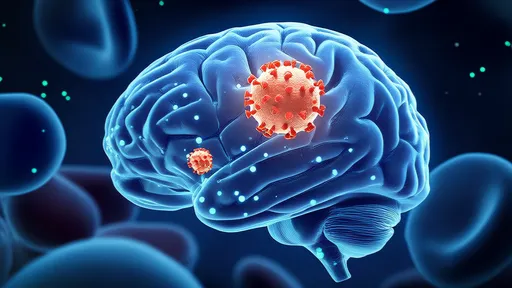
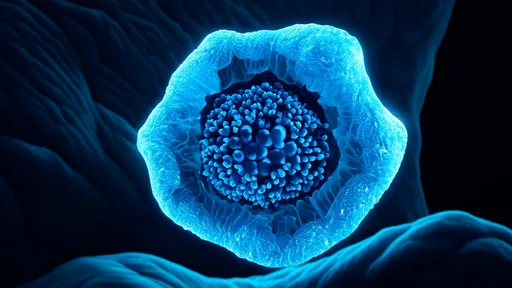
In a groundbreaking shift for regenerative medicine, scientists have successfully demonstrated the direct conversion of fibroblasts into functional neurons, bypassing the need for pluripotent stem cells. This revolutionary approach, known as direct reprogramming or transdifferentiation, challenges long-standing biological paradigms and opens unprecedented avenues for treating neurological disorders. The implications are profound, offering hope for conditions like Parkinson's disease, Alzheimer's, and spinal cord injuries where neuronal loss is irreversible. Unlike traditional stem cell therapies that carry risks of tumor formation and ethical controversies, this method transforms one mature cell type directly into another, representing a cleaner and potentially safer therapeutic strategy.
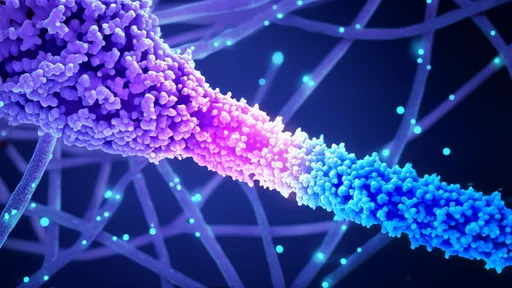
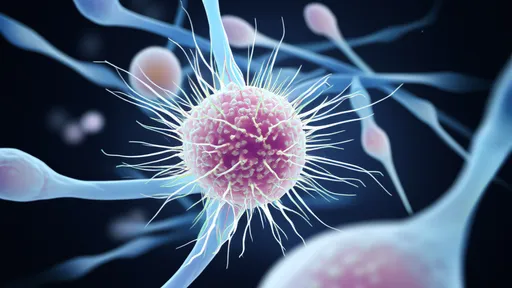
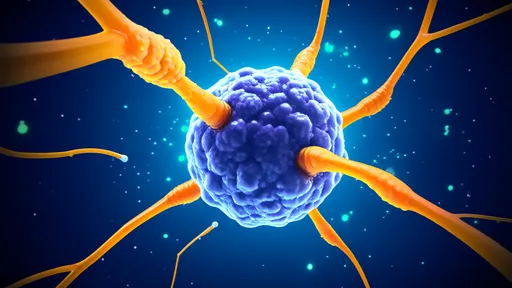
The pioneering work began over a decade ago when researchers discovered that introducing specific transcription factors could effectively rewire a cell's identity. Fibroblasts, abundant in connective tissues and easily accessible through simple skin biopsies, emerged as ideal candidates for this cellular alchemy. By delivering a cocktail of neural-lineage genes such as Ascl1, Brn2, and Myt1l—often called "pioneer factors"—scientists could erase the fibroblast's original programming and activate neuronal gene networks. The transformed cells, now termed induced neurons (iNs), exhibit characteristic neuronal morphology, express synaptic markers, and demonstrate electrophysiological activity capable of forming functional neural circuits.
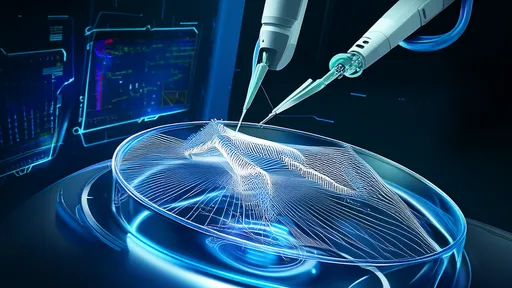
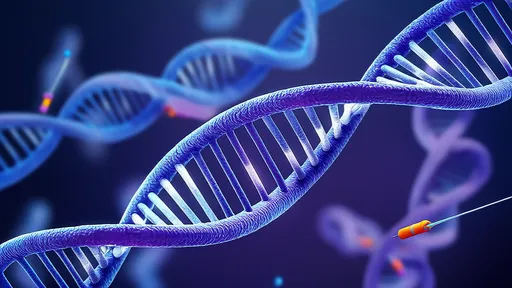
Recent technological advancements have dramatically improved the efficiency and safety of this process. Early methods relied on retro viruses to deliver transcription factors, raising concerns about insertional mutagenesis and immune responses. Newer approaches utilize non-integrating vectors, synthetic mRNAs, or small molecules to achieve reprogramming without permanent genetic alteration. Researchers at Stanford developed a technique using modified RNA sequences to transiently express reprogramming factors, achieving conversion rates exceeding 50% while eliminating genomic integration risks. Meanwhile, chemical reprogramming—using only small molecules—has shown promise in creating glutamatergic and dopaminergic neurons, crucial for targeting specific neurodegenerative conditions.
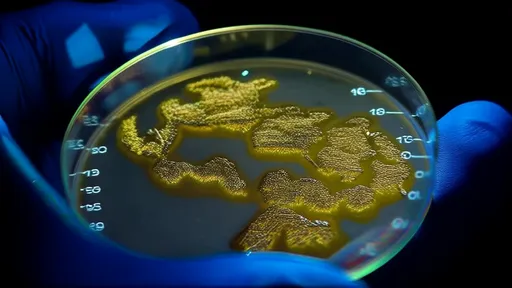
The clinical potential of directly converted neurons extends beyond cell replacement therapy. Patient-specific iNs serve as powerful in vitro models for studying disease mechanisms and drug screening. For instance, fibroblasts taken from individuals with amyotrophic lateral sclerosis (ALS) have been reprogrammed into motor neurons that exhibit disease-specific pathologies, allowing researchers to test potential therapeutics in a human-relevant system. This personalized medicine approach could revolutionize how we develop treatments for genetically complex neurological disorders, moving away from one-size-fits-all solutions toward tailored interventions.
Despite these exciting developments, significant challenges remain before clinical application becomes routine. The current efficiency of conversion, while improved, still produces heterogeneous cell populations requiring purification. Generated neurons often resemble immature fetal neurons rather than mature adult subtypes, limiting their functionality in adult brains. Researchers are exploring ways to enhance maturation through co-culture systems, electrical stimulation, and microenvironment manipulation using specialized biomaterials. Additionally, ensuring long-term survival and integration of transplanted neurons without immune rejection presents another hurdle, though autologous transplantation (using a patient's own cells) could mitigate immunological concerns.
Looking forward, the field is rapidly evolving toward greater precision and control over neuronal subtypes. Scientists are developing protocols to generate specific neurotransmitter phenotypes—dopaminergic neurons for Parkinson's disease, GABAergic neurons for epilepsy, or motor neurons for ALS—by adjusting transcription factor combinations and culture conditions. Some teams are exploring in situ reprogramming, where transcription factors are delivered directly into the brain to convert local glial cells into neurons without cell transplantation. This approach has shown remarkable success in mouse models of stroke and Parkinson's disease, where newly converted neurons integrated into existing circuits and improved motor function.
Ethical and regulatory considerations, while less contentious than embryonic stem cell research, still require careful attention. The direct manipulation of cell identity raises questions about unintended consequences, though the field has thus far maintained cautious optimism. Regulatory agencies are developing frameworks to evaluate these novel therapies, balancing innovation with safety. As protocols become more refined and standardized, early-phase clinical trials are anticipated within the next five years, potentially beginning with small-scale safety studies for conditions like Parkinson's disease where specific neuronal loss is well-defined.
The transformation of fibroblasts into neurons represents more than just a technical achievement—it signifies a fundamental shift in our understanding of cellular plasticity and disease treatment. By turning the body's abundant connective tissue cells into precious neural cells, scientists are effectively creating renewable neuronal sources from easily accessible materials. This approach not only bypasses ethical dilemmas but also offers a potentially scalable solution for the millions suffering from neurological conditions worldwide. As research continues to overcome existing limitations, direct neuronal reprogramming stands poised to transform neurological medicine from symptomatic management toward true cellular restoration.
By /Aug 27, 2025

By /Aug 27, 2025
By /Aug 27, 2025
By /Aug 27, 2025
By /Aug 27, 2025
By /Aug 27, 2025
By /Aug 27, 2025
By /Aug 27, 2025

By /Aug 27, 2025
By /Aug 27, 2025

By /Aug 27, 2025
By /Aug 27, 2025
By /Aug 27, 2025
By /Aug 27, 2025
By /Aug 27, 2025
By /Aug 27, 2025
By /Aug 27, 2025
By /Aug 27, 2025
By /Aug 27, 2025
By /Aug 27, 2025