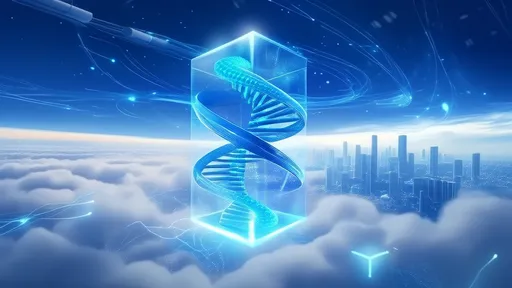
The world of data storage is undergoing a revolutionary transformation as scientists pioneer the use of DNA as a medium for archiving digital information. In a groundbreaking development, the first-ever molecular data center dedicated to DNA-based storage has been established, marking a significant leap forward in the quest for ultra-dense, long-lasting data preservation solutions.
Located at the intersection of biotechnology and information technology, this facility represents more than just a storage repository—it's a glimpse into the future of how humanity might preserve its collective knowledge. The center operates on the principle that DNA, nature's original information-storage molecule, can be harnessed to store digital data with unprecedented density and durability.
Traditional data centers consume vast amounts of energy and require constant maintenance, with hard drives and servers needing replacement every few years. In contrast, DNA storage offers remarkable stability—properly preserved DNA can last for thousands of years without degradation. This biological storage medium requires no active energy input to maintain data integrity, presenting a potentially game-changing solution for long-term archival needs.
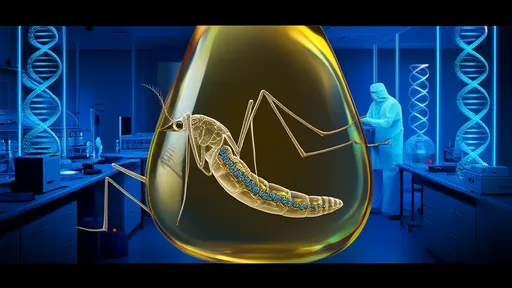
The process begins with converting digital files—whether text documents, images, or entire databases—into the four-letter genetic code of DNA (adenine, thymine, cytosine, and guanine). Specialized algorithms translate binary code into sequences of these nucleotides, which are then chemically synthesized into actual DNA strands. To retrieve the data, the DNA is sequenced and decoded back into digital format.
What makes this approach revolutionary is its density. A single gram of DNA can theoretically store about 215 petabytes (215 million gigabytes) of data—equivalent to roughly all the digital content currently hosted by major tech companies. This means the entire contents of a conventional warehouse-sized data center could potentially be reduced to a small vial of liquid.
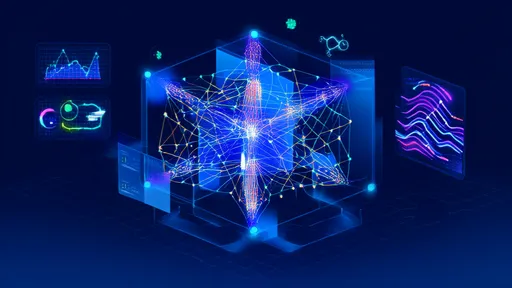
The new molecular data center serves multiple functions beyond simple storage. It acts as a research hub where scientists are working to improve every step of the DNA data storage pipeline—from more efficient encoding algorithms to better synthesis and sequencing techniques. The facility also explores methods to reduce error rates during data retrieval and develops new preservation techniques to extend the lifespan of DNA-stored information.
One of the most promising aspects of this technology is its potential for long-term archival. Unlike magnetic tapes or optical discs that degrade within decades, properly preserved DNA could maintain data integrity for millennia. This makes it particularly valuable for preserving humanity's most important cultural and scientific achievements for future generations. Institutions such as national archives, libraries, and research organizations have expressed keen interest in this molecular approach to data preservation.
The establishment of this specialized data center comes at a critical time when the world faces a looming data storage crisis. With global data generation expected to reach 175 zettabytes by 2025, conventional storage methods are becoming increasingly unsustainable in terms of both physical space requirements and environmental impact. DNA storage offers a potential solution to this challenge by dramatically reducing the physical footprint needed for massive data archives.
However, significant hurdles remain before DNA storage can become mainstream. The current cost of DNA synthesis remains prohibitively expensive for most applications, though prices have been falling rapidly in recent years. The speed of data retrieval also lags behind conventional storage methods, making DNA better suited for archival purposes than for frequently accessed data. Researchers at the new center are actively working to address these limitations through technological innovation.
Security represents another area of both promise and concern. While DNA storage could theoretically offer new cryptographic possibilities, it also raises novel questions about data privacy and biological security. The center includes specialized biosafety protocols to ensure that synthetic DNA sequences used for data storage pose no biological risk.
Looking ahead, the implications of successful DNA data storage extend far beyond simple information technology. This convergence of biology and computing could lead to entirely new paradigms in how we think about information processing and storage. Some researchers speculate about future systems where biological and electronic computing elements work in tandem, leveraging the strengths of each approach.
The launch of this molecular data center represents more than just a technical achievement—it symbolizes a fundamental shift in our relationship with information. As we learn to store our digital world in the very molecules that encode life itself, we're reminded that the boundaries between technology and biology are becoming increasingly blurred. This facility stands as the first dedicated space exploring what might become the standard for data preservation in centuries to come.
While challenges remain, the progress made at this center suggests that DNA-based data storage may transition from laboratory curiosity to practical reality sooner than many anticipated. As research continues and the technology matures, we may be witnessing the birth of an entirely new industry—one that could fundamentally change how humanity preserves its knowledge for future generations.
By /Aug 5, 2025
By /Aug 5, 2025
By /Aug 5, 2025
By /Aug 5, 2025
By /Aug 5, 2025
By /Aug 5, 2025

By /Aug 5, 2025
By /Aug 5, 2025

By /Aug 5, 2025
By /Aug 5, 2025
By /Aug 5, 2025
By /Aug 5, 2025
By /Aug 5, 2025
By /Aug 5, 2025
By /Aug 5, 2025
By /Aug 5, 2025
By /Aug 5, 2025
By /Aug 5, 2025

By /Aug 5, 2025
By /Aug 5, 2025